
Understanding CAS and EIS Requirements for BPO Companies in the Philippines
For many BPO companies in the Philippines, compliance with the Bureau of Internal Revenue (BIR) is no longer just about filing taxes on time. The introduction of Computerized Accounting System (CAS) and Electronic Invoicing System (EIS) requirements has changed how financial records are created, stored, and reported.
What used to be a mostly manual process is now shifting toward fully digital accounting systems. And for BPO companies handling high transaction volumes and complex billing structures, this shift is not optional anymore.
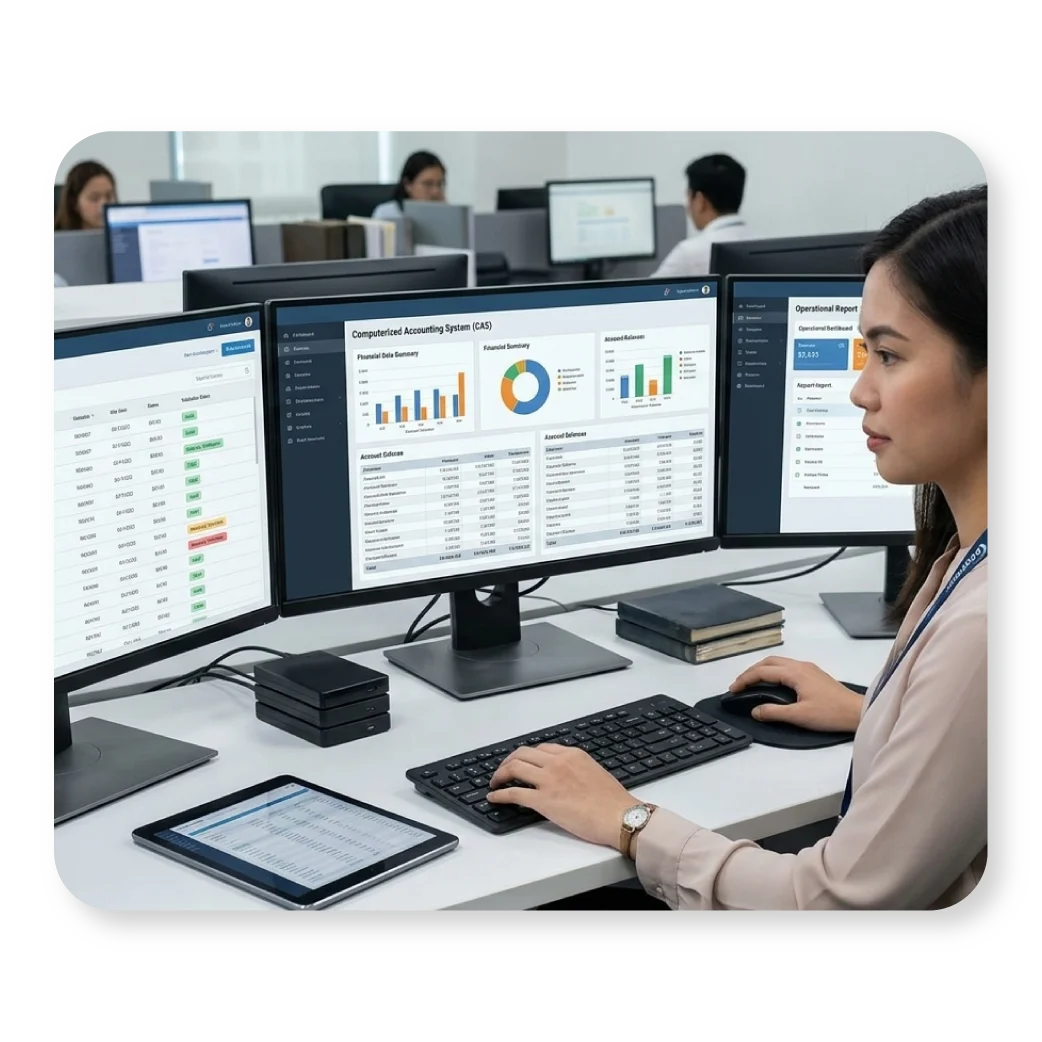
What CAS and EIS Mean for BPO Operations
CAS simply means using an approved accounting system to record financial transactions electronically. Instead of manual books, everything is encoded and generated through software.
EIS focuses on invoices and receipts. It requires businesses to generate and manage invoices electronically, with structured data that can be tracked and validated.
In real terms, this means every sale invoice, receipt, and accounting entry should come from a system that is properly configured for BIR requirements.
Why CAS and EIS Compliance is Critical for the BPO Industry
BPO companies operate in a fast-paced environment where accuracy and speed in financial reporting are essential. Billing models often include per FTE (full-time equivalent), project-based fees, shared services, and global client arrangements.
Without a proper system in place, compliance becomes difficult and error-prone.
Key benefits of CAS and EIS compliance for BPO firms include:
- Faster and more accurate invoice generation
- Reduced risk of manual encoding errors
- Improved audit readiness and traceability
- Standardized reporting across multiple clients
- Better control over tax computation and documentation
Compliance also supports operational efficiency, especially for finance teams managing high transaction volumes daily.

ERP Systems That Support CAS and EIS Requirements
Most BPO companies rely on ERP systems to meet these requirements. These systems handle accounting, invoicing, payroll, and reporting in one place.
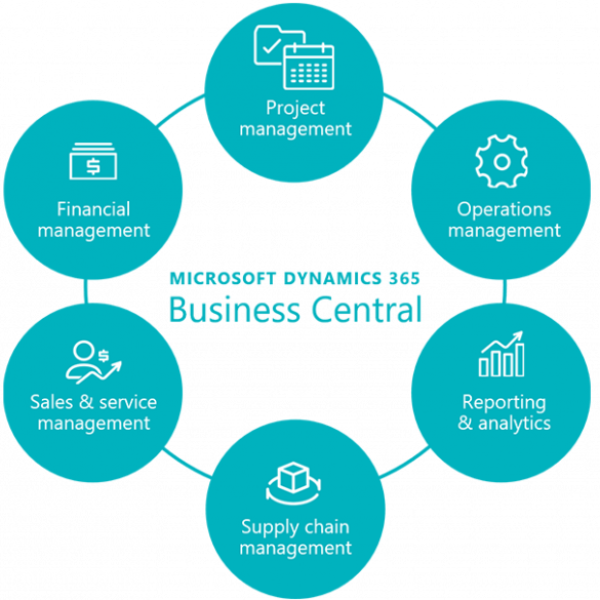
Microsoft Dynamics 365 Business Central
Works with Microsoft 365 applications such as Excel, Outlook, and Teams, making it easier for employees to manage data, communicate, and collaborate across departments. Integration with Power BI provides access to real-time dashboards and reports, helping businesses monitor performance and make informed decisions.
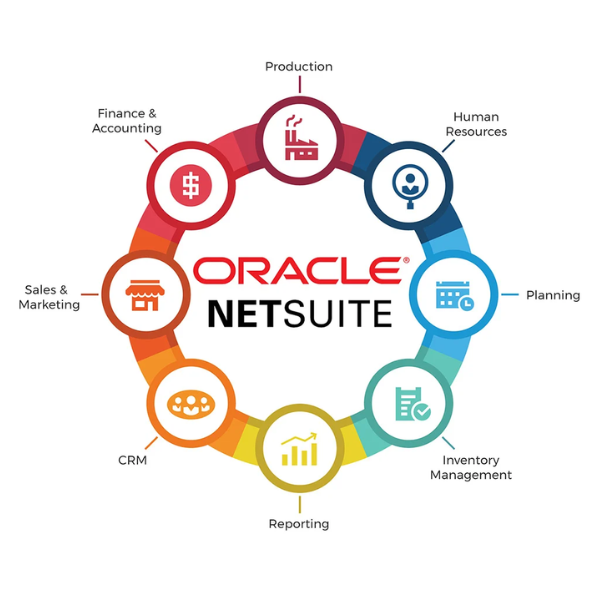
Oracle NetSuite
Supports multi-entity management and financial consolidation for complex, high-volume organizations. It helps streamline intercompany transactions, automate reporting, and maintain compliance while ensuring accurate and consistent financial statements across all subsidiaries.
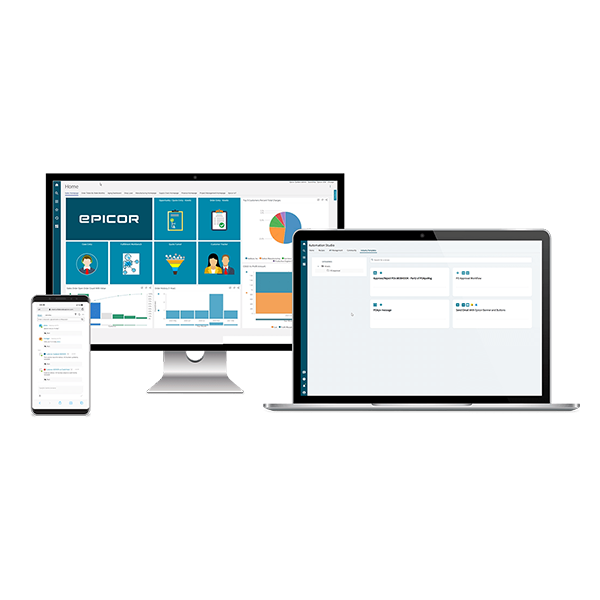
Epicor ERP
Epicor ERP helps manufacturers manage production planning, scheduling, and supply chain processes in one system. It provides real-time shop floor visibility, supports process automation, and improves efficiency and control from raw materials through to finished products.
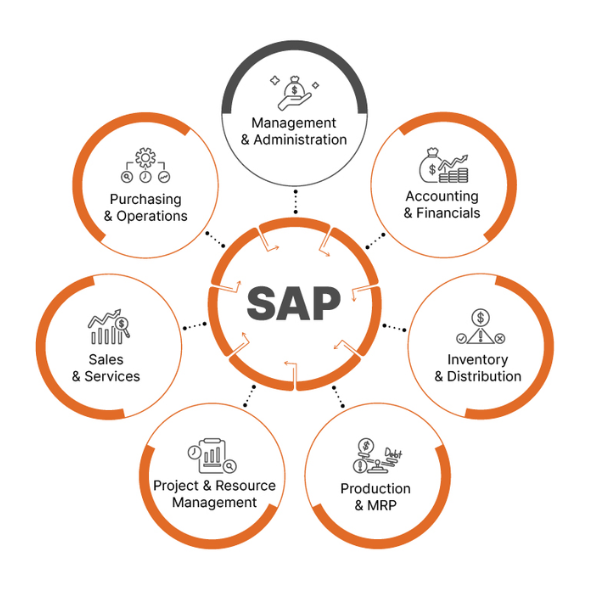
SAP Business One
With SAP Business One deployed on-premise, organizations keep complete control of their systems, from data storage and security to infrastructure management. It also allows flexible customization so workflows, reports, and user access can be aligned with day-to-day business needs.
BIR Forms You Can Generate from ERP Systems
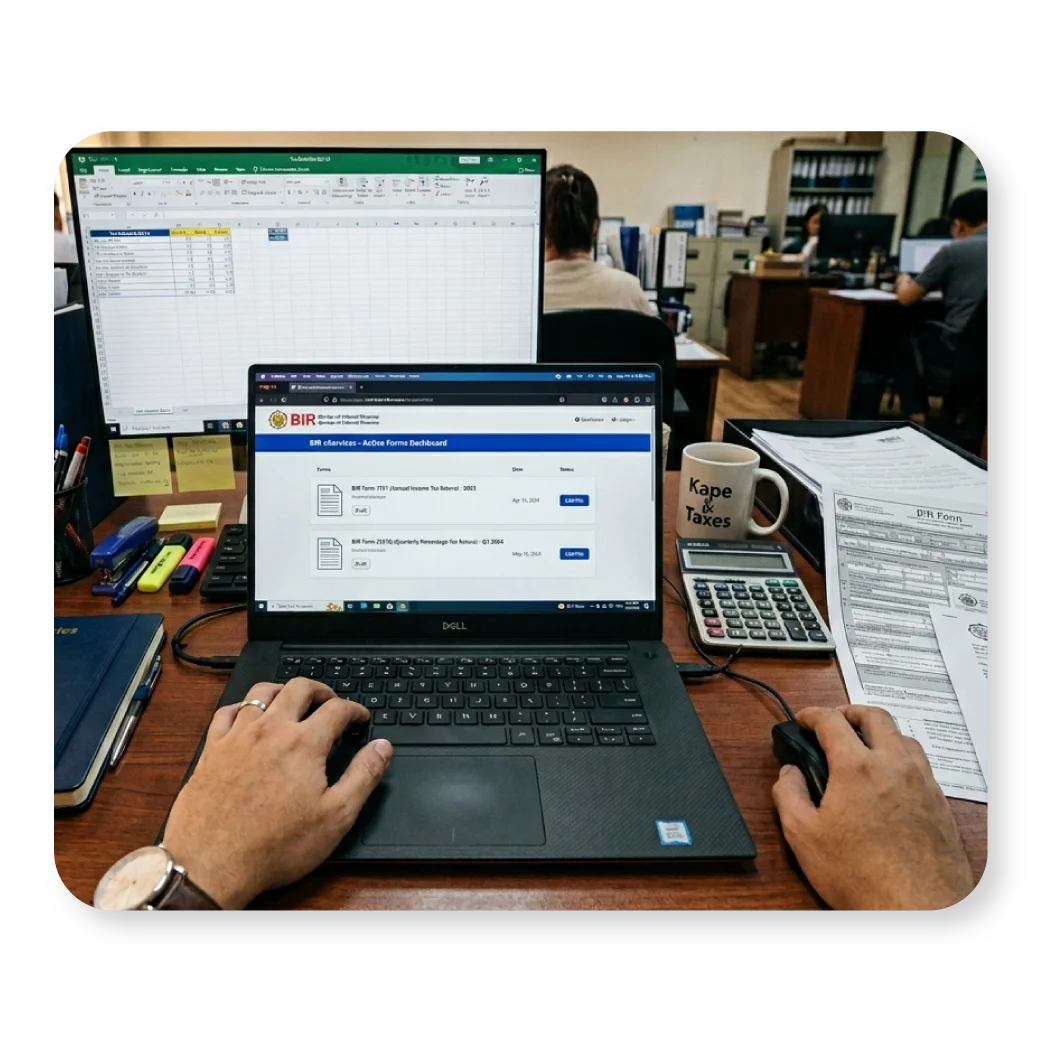
One of the biggest advantages of using a CAS and EIS-ready ERP system is that it can automatically generate BIR forms based on actual transactions.
Some of the common ones include:
- BIR Form 2307 – Certificate of Creditable Tax Withheld at Source (Monthly, Quarterly, and Per Transaction)
- BIR Form 2306 – Certificate of Final Tax Withheld at Source (Monthly, Quarterly, and Per Transaction)
- BIR Form 0619-E – Monthly Remittance Form of Creditable Withholding Taxes Withheld (Expanded)
- BIR Form 1601-EQ - Quarterly Remittance Return of Creditable Income Taxes Withheld
- BIR Form 0619-F – Monthly Remittance Form of Final Withholding Taxes
- BIR Form 1601-FQ – Quarterly Remittance Return of Final Income Taxes Withheld
- BIR Form 2550M – Monthly Value-Added Tax Declaration
- BIR Form 2550Q – Quarterly Value-Added Tax
- Return BIR Form 2316 – Certificate of Compensation Payment and Tax Withheld
Instead of manually encoding figures, the system pulls data directly from transactions, which reduces errors and saves time during filing.
Other Reports That Come with CAS and EIS Systems
Aside from BIR forms, ERP systems also generate other documents needed for compliance and audits:
- Sales invoices and official receipts in electronic format
- General ledger and journal entries
- Books of accounts like cash receipts and disbursement records
- VAT summaries and tax breakdowns
- Financial statements such as income statements and balance sheets
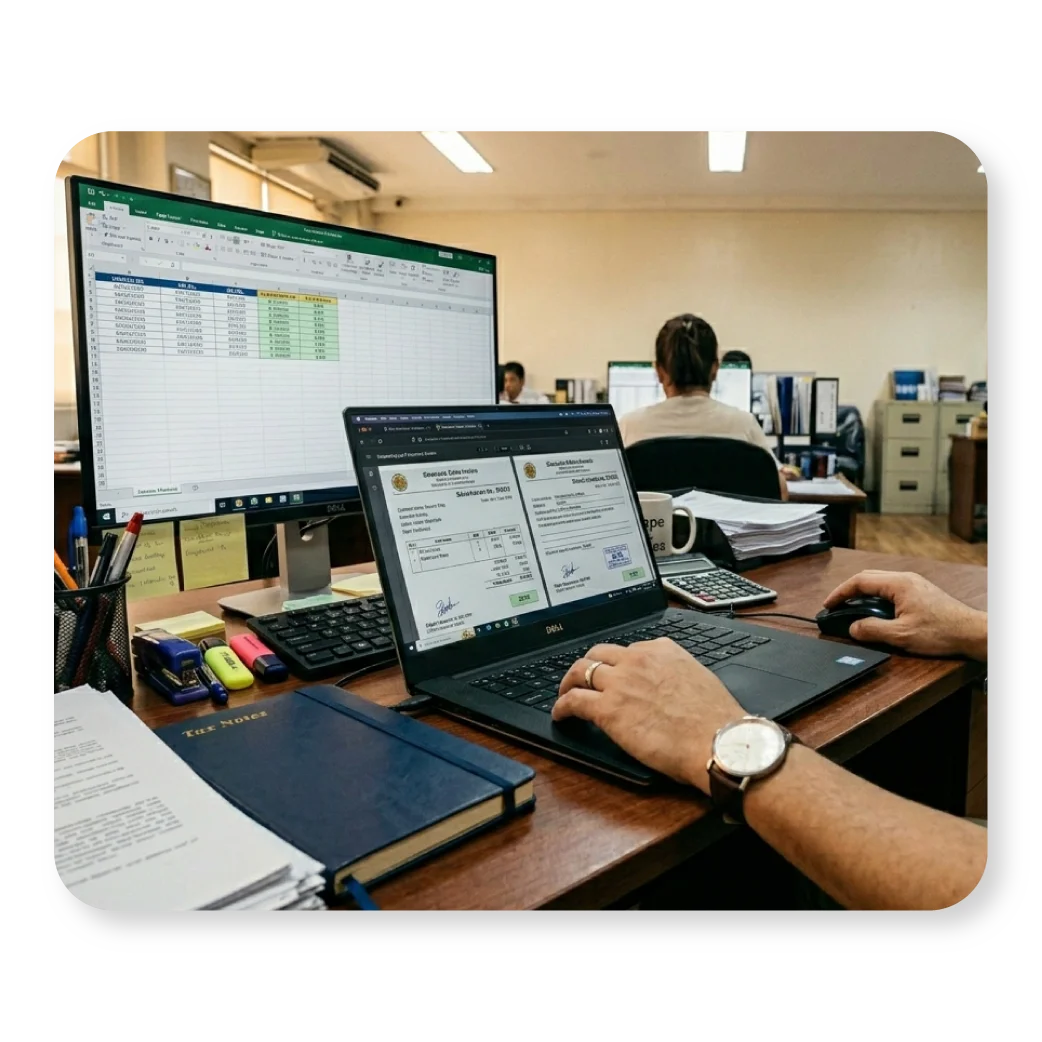
These reports are what auditors and regulators usually look for when reviewing compliance.

What This Means for Your Business
CAS and EIS compliance is now part of doing business for BPO companies in the Philippines. It is not just about meeting BIR requirements but also about improving how financial operations are managed.
ERP systems like SAP Business One, NetSuite, Microsoft Business Central, and Epicor make this transition easier by automating reporting and reducing manual work.
For many BPO firms, the real value is not just compliance. It is having a finance system that actually keeps up with how fast the business moves.
