
Preparing for the BIR CAS to EIS Mandate: What Industrial Zone Businesses Need to Know
For many manufacturing companies and businesses operating within Philippine economic zones, compliance is already a complex balancing act. Between managing production schedules, inventory movements, logistics, and regulatory requirements, finance teams have plenty on their plate.
Now, another important change is on the horizon.
Under Revenue Regulations (RR) No. 11-2025, as amended by RR No. 26-2025, the Bureau of Internal Revenue (BIR) is moving forward with the nationwide implementation of the Electronic Invoicing System (EIS). By December 31, 2026, businesses using a Computerized Accounting System (CAS) or Computerized Books of Accounts (CBA) will be required to connect their systems to the BIR’s EIS platform.
While 2026 may seem distant, preparing for the transition should start much earlier, especially for organizations with high transaction volumes and complex operational processes.
What the EIS Requirement Really Means
At its core, the EIS mandate changes how invoice data is created, stored, and reported.
Instead of treating invoices as standalone documents, businesses will now need to ensure their systems can generate and transmit structured data directly to the BIR.
Key expectations include:
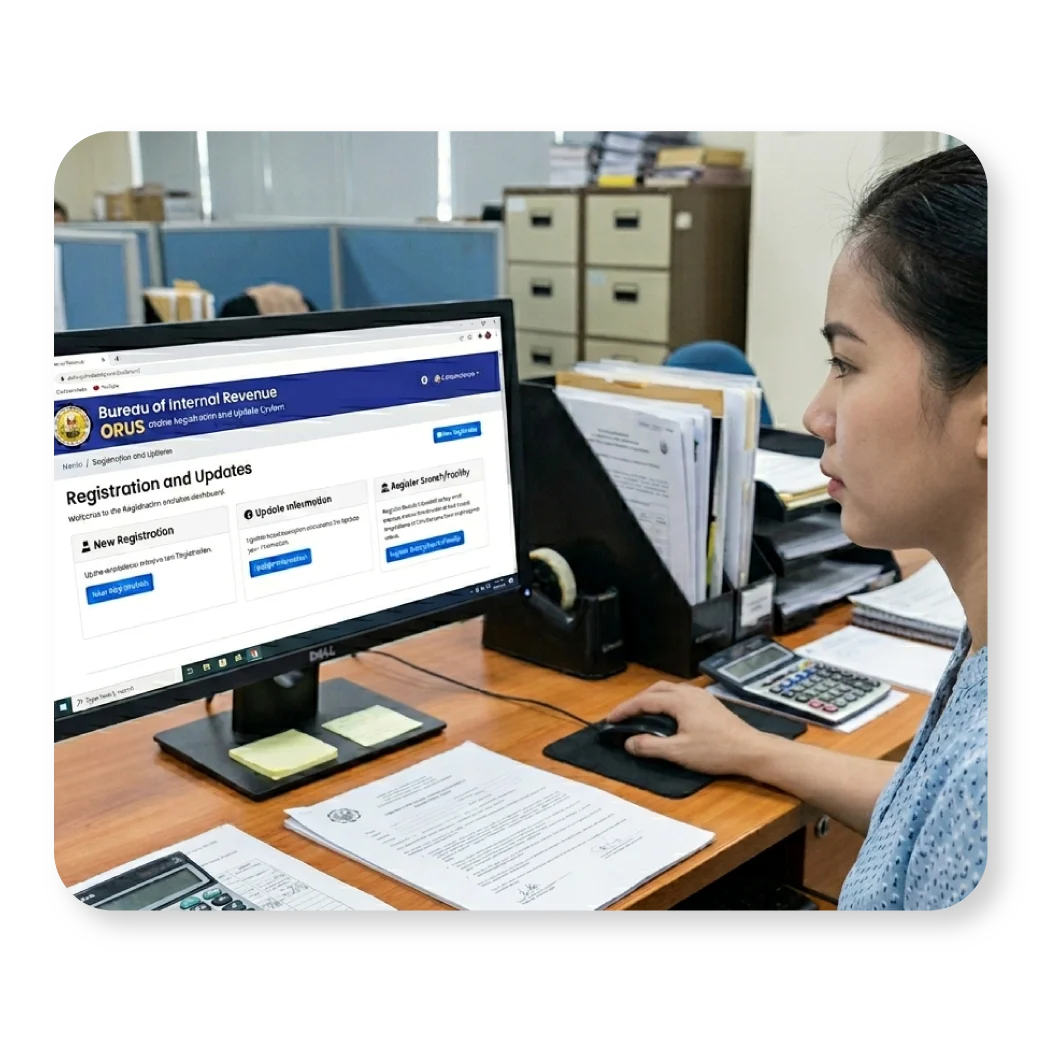
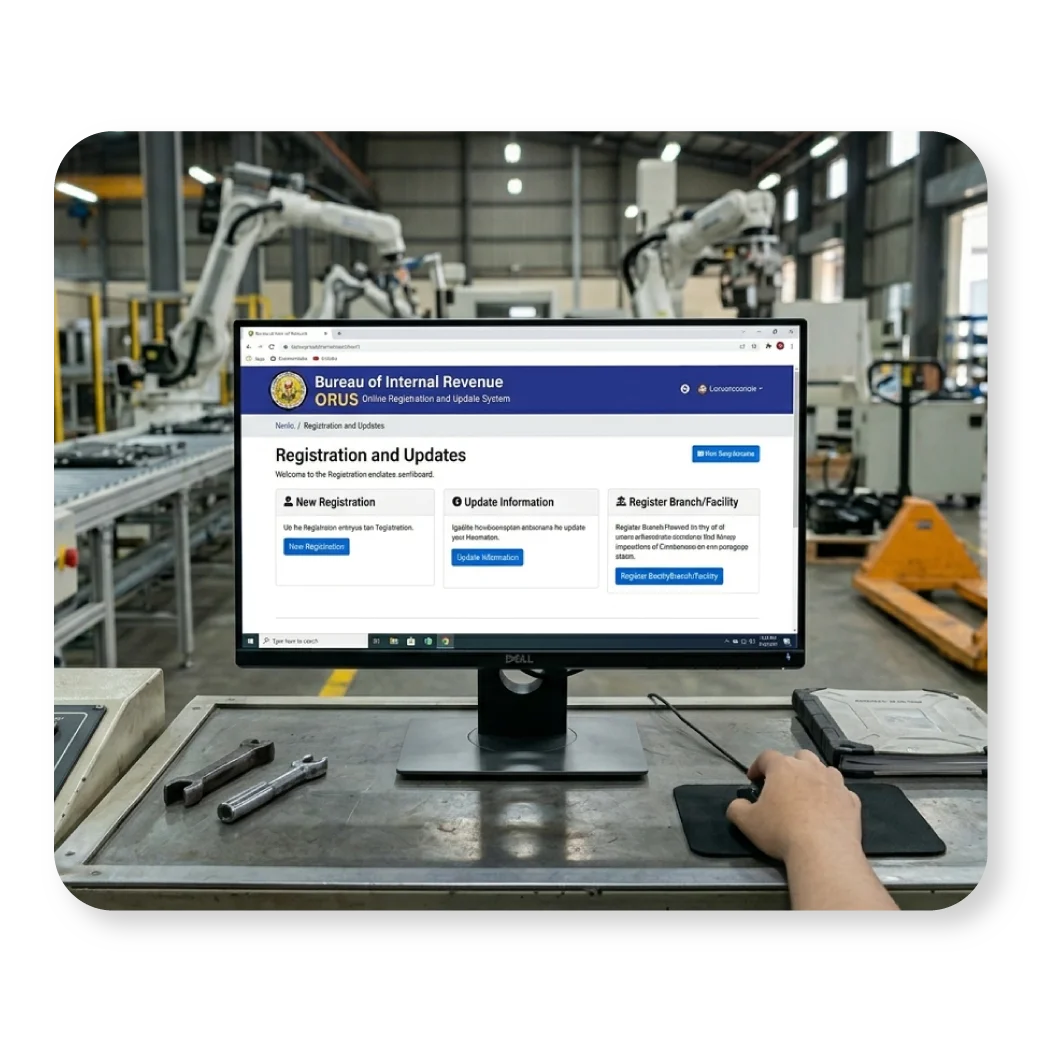
- Registration and updates through the BIR ORUS platform
- Conversion of invoice data into structured JSON format
- Inclusion of required validation and authentication fields
- Submission of transaction data to the BIR within three calendar days
- System-to-system integration between ERP/CAS and the EIS platform
Invoices will still be issued to customers in real time but behind the scenes, systems will need to ensure that the same data is properly captured and transmitted to the tax authority.
Why This Matters More for Manufacturing and Ecozone Firms
For industrial zone operators, this change is not just about compliance it directly affects how daily operations run.
Manufacturing companies typically deal with:
- High transaction volumes across production, warehousing, and logistics
- Split deliveries and partial shipments
- Multiple tax treatments depending on product type and destination
- Export-related transactions with special incentive structures
All of these need to be correctly reflected in the system before data is sent to the BIR.
Even small inconsistencies in tagging or data formatting can create reporting issues later on, especially when transactions are processed at scale.
This is why system readiness becomes just as important as tax readiness.

What Companies Should Start Reviewing
Most businesses already have ERP or accounting systems in place but not all are ready for real-time government integration.
Here are a few areas worth checking early:
- Whether your current ERP or CAS supports BIR EIS integration
- If your system can generate data in the required JSON structure
- Whether middleware is needed to translate or clean existing data
- How tax incentives and export transactions are currently tagged
- Whether your IT infrastructure can handle continuous API communication
The earlier these gaps are identified, the easier it is to plan fixes without disrupting operations.
A Shift in How Compliance Will Work
EIS is not just another reporting requirement, it changes the timing and structure of how financial data moves between businesses and government systems.
Instead of monthly or periodic reporting, compliance becomes closer to real-time validation and transmission. That shift will require tighter coordination between finance, IT, and operations teams.
For companies operating in fast-paced production environments, this may also mean revisiting internal workflows to ensure data accuracy before it reaches the system level.


Moving Forward
There’s still time before the 2026 deadline, but the work involved is not something that can be rushed later on.
The most practical approach is to start with a system review, understand what your ERP can already handle, and what needs to be upgraded or connected. From there, companies can map out integration timelines with their vendors and prepare for testing in advance.
Those who begin early will have more flexibility to adjust, test, and refine their systems without pressure. And when the mandate takes effect, the transition will feel less like a disruption and more like a natural extension of existing processes.
