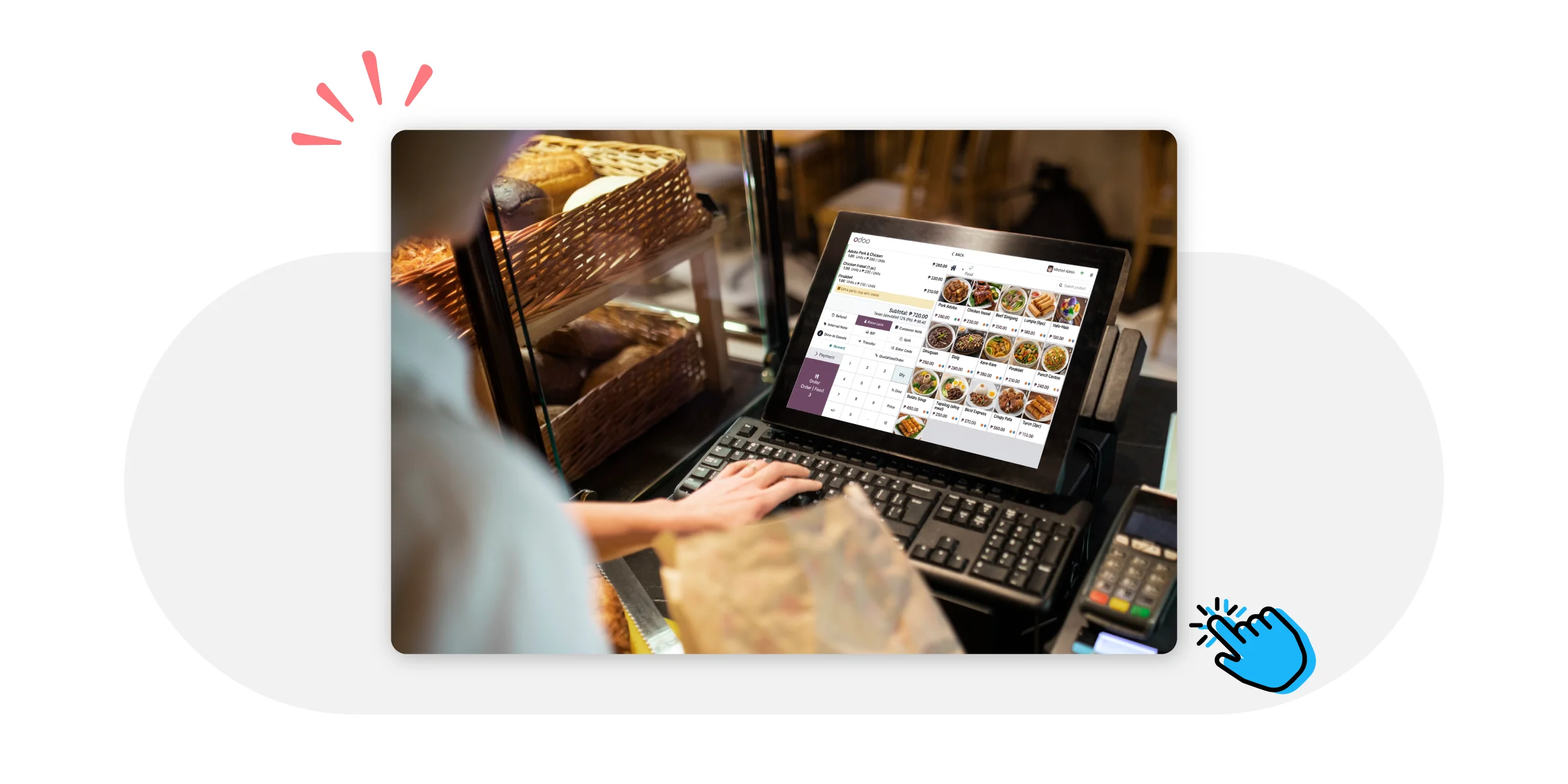
How Odoo ERP is Transforming Restaurant Operations in the Philippines
The Philippine restaurant industry is becoming more competitive as businesses face rising operating costs, changing customer expectations, and the need to manage multiple sales channels. Whether you operate a single café, a fast-food chain, or a multi-branch restaurant, having the right ERP system can help improve efficiency, reduce costs, and support business growth.
Odoo ERP provides an all-in-one business management platform that connects restaurant operations, inventory, purchasing, accounting, point of sale (POS), human resources, and customer management in a single system. This allows restaurant owners to gain better visibility into their business while reducing manual work and improving decision-making.
As an Odoo Official Silver Partner in the Philippines, Mustard Seed Systems helps restaurants implement, customize, integrate, train, and support Odoo ERP to meet local business requirements and operational goals.

Why Restaurants in the Philippines Need ERP Software
Many restaurants still rely on disconnected systems and spreadsheets to manage daily operations. This often results in:
- Inventory shortages and overstocking
- Manual purchasing processes
- Inaccurate food costing
- Delayed financial reporting
- Difficulty managing multiple branches
- Limited visibility into sales and profitability
- Inefficient employee scheduling and payroll coordination
An integrated ERP platform eliminates these challenges by centralizing business data and automating critical workflows.
Key Benefits of Odoo ERP for Restaurants
Centralized Restaurant Management
Manage purchasing, inventory, sales, accounting, HR, and customer information from one platform. Odoo provides real-time visibility across all departments, helping restaurant owners monitor operations, control costs, optimize inventory, improve staff productivity, and make faster, data-driven decisions from a single, centralized ERP system.


Real-Time Inventory Tracking
Monitor ingredients, raw materials, and finished products in real time. Reduce food waste, prevent stock shortages, automate inventory replenishment, and maintain optimal stock levels across multiple restaurant branches for better cost control and uninterrupted operations.
Integrated Restaurant POS
Odoo POS integrates with inventory and accounting, allowing restaurants to process orders quickly while automatically updating stock levels and financial records. This eliminates manual data entry, improves order accuracy, speeds up checkout, and provides real-time sales insights across all restaurant locations.


Accurate Food Costing
Track ingredient costs, recipes, supplier pricing, and production expenses to calculate accurate food costs. Optimize menu pricing, reduce waste, control operating expenses, and maintain healthy profit margins with real-time cost visibility.
Multi-Branch Restaurant Management
Manage multiple restaurant locations from a centralized dashboard. Monitor sales, inventory, and staff across all branches, compare performance, manage stock transfers, and standardize operations to ensure consistent service and better business control.


Purchasing Automation
Automatically generate purchase requests based on inventory levels and sales demand. Prevent stock shortages, optimize purchasing, improve supplier management, and reduce manual procurement tasks with automated replenishment workflows.
Financial Management
Simplify financial management with integrated accounting, automated journal entries, budgeting, expense tracking, accounts payable, accounts receivable, and real-time financial reporting. Gain better visibility into cash flow, profitability, and overall business performance.


Human Resource Management
Manage employee records, attendance, leave requests, recruitment, payroll integration, and performance from a single ERP platform. Improve workforce productivity, simplify HR processes, and maintain accurate employee data across all restaurant locations.
Business Intelligence and Reporting
Access real-time dashboards and reports on sales performance, inventory valuation, profitability, purchasing trends, and operational KPIs. Make faster, data-driven decisions with complete visibility into your restaurant operations.

How Odoo ERP Supports Restaurant Growth
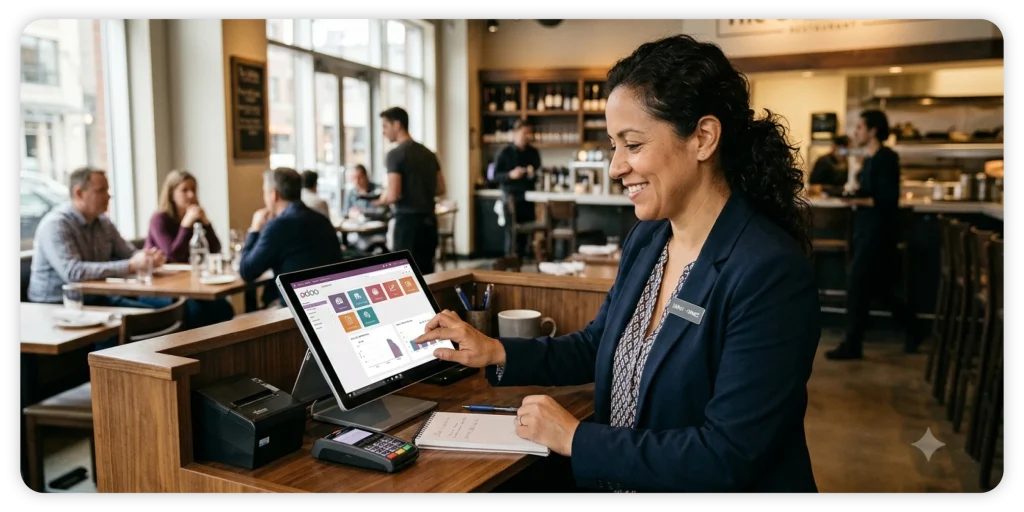
Restaurants can use Odoo to:
- Improve operational efficiency
- Reduce food waste
- Automate repetitive administrative tasks
- Increase inventory accuracy
- Enhance customer service
- Manage multiple branches more effectively
- Generate real-time financial reports
- Support business expansion with scalable processes
Why Choose Mustard Seed Systems for Odoo ERP?
Mustard Seed Systems is an Odoo Official Silver Partner in the Philippines with 27+ years of ERP implementation experience. We provide Odoo ERP consulting, implementation, customization, data migration, user training, system integration, and ongoing support for restaurants and food businesses.
With offices in Metro Manila, Cavite, Dagupan, Cebu, Bacolod, Iloilo, Cagayan de Oro, and Davao, we help businesses across the Philippines successfully implement and optimize Odoo ERP for long-term growth.
