
How NetSuite Handles Multi-Currency and Multi-Company Operations
Expanding into multiple countries brings exciting growth opportunities, but it also introduces financial complexity. Businesses must manage different currencies, subsidiaries, tax regulations, accounting standards, and consolidated reporting—all while maintaining financial accuracy.
Many organizations rely on spreadsheets or disconnected accounting systems, leading to manual currency conversions, inconsistent financial reports, and delayed month-end closing.
Oracle NetSuite is designed to eliminate these challenges. Its cloud ERP platform enables businesses to manage multiple subsidiaries, currencies, tax requirements, and financial reporting from a single system.
Whether your company operates across Southeast Asia, the United States, Europe, or globally, NetSuite helps finance teams maintain visibility, compliance, and operational efficiency.

What Are Multi-Currency Operations?
Multi-currency operations involve conducting business transactions in more than one currency.
For example, a company may:
- Invoice customers in USD
- Purchase inventory in CNY
- Pay suppliers in EUR
- Pay employees in PHP
- Report financial statements in SGD
Managing exchange rates manually can result in:
- Incorrect revenue reporting
- Currency conversion errors
- Unrealized and realized foreign exchange gains or losses
- Inconsistent financial statements
- Time-consuming reconciliation
What Are Multi-Company Operations?
Multi-company operations refer to businesses managing multiple legal entities or subsidiaries under one parent organization.
Examples include:
- Regional offices
- International subsidiaries
- Franchise businesses
- Holding companies
- Manufacturing plants
- Distribution companies
Each company may have its own:
- Tax regulations
- Local currency
- Fiscal calendar
- Accounting standards
- Financial reports
The challenge is consolidating all financial data into one accurate view.

How NetSuite Supports Multi-Currency Operations
Automatic Currency Conversion
NetSuite supports transactions in multiple currencies without requiring manual calculations.
The system automatically:
- Applies exchange rates
- Calculates foreign currency values
- Records gains and losses
- Maintains audit trails
Finance teams no longer need to update spreadsheets whenever exchange rates change.
Real-Time Exchange Rate Updates
NetSuite can use current exchange rates for financial transactions while maintaining historical rates for accurate reporting.
Benefits include:
- Accurate invoices
- Consistent financial statements
- Reliable profitability analysis
- Better forecasting


Customer and Vendor Preferred Currency
Customers and suppliers can transact using their preferred currencies.
Examples:
A supplier in Japan receives invoices in JPY.
A customer in Australia receives invoices in AUD.
Your finance team can still report in your company's base currency.
Multi-Currency Bank Accounts
NetSuite supports bank accounts in multiple currencies.
Businesses can manage:
- USD accounts
- EUR accounts
- PHP accounts
- SGD accounts
- GBP accounts
without maintaining separate accounting systems.


Foreign Currency Revaluation
Currency values fluctuate daily.
NetSuite automatically calculates:
- Unrealized gains
- Unrealized losses
- Foreign exchange adjustments
This helps maintain compliance with accounting standards while reducing manual calculations.
How NetSuite Handles Multi-Company Operations
Centralized Subsidiary Management
NetSuite allows organizations to manage multiple subsidiaries from one ERP platform.
Each subsidiary can maintain:
- Independent financial records
- Local tax settings
- Local accounting rules
- Local users
- Local reporting
while headquarters retains complete visibility.


Automated Financial Consolidation
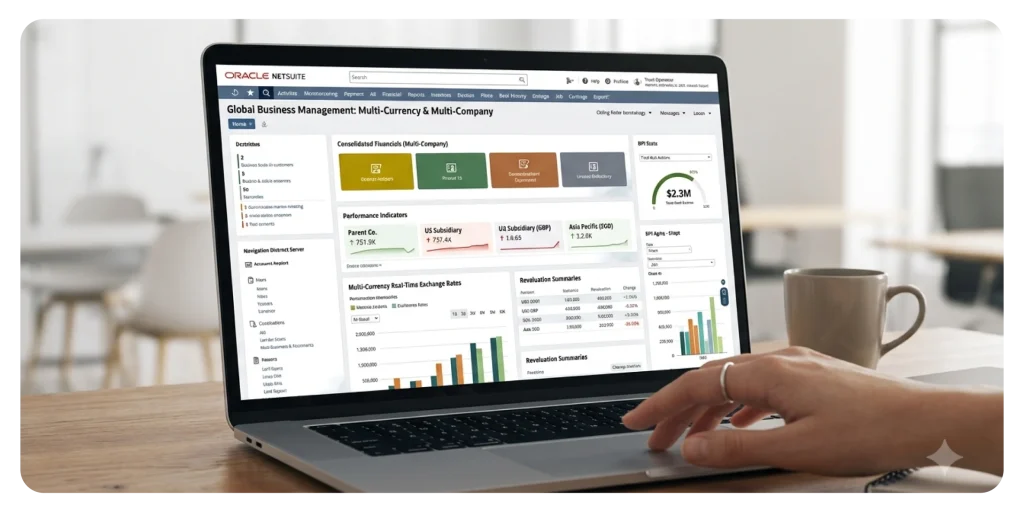
One of NetSuite's most valuable capabilities is automated financial consolidation.
Instead of manually combining spreadsheets, NetSuite automatically consolidates:
- Income statements
- Balance sheets
- Cash flow reports
- Trial balances
This significantly reduces month-end closing time.
Intercompany Transactions
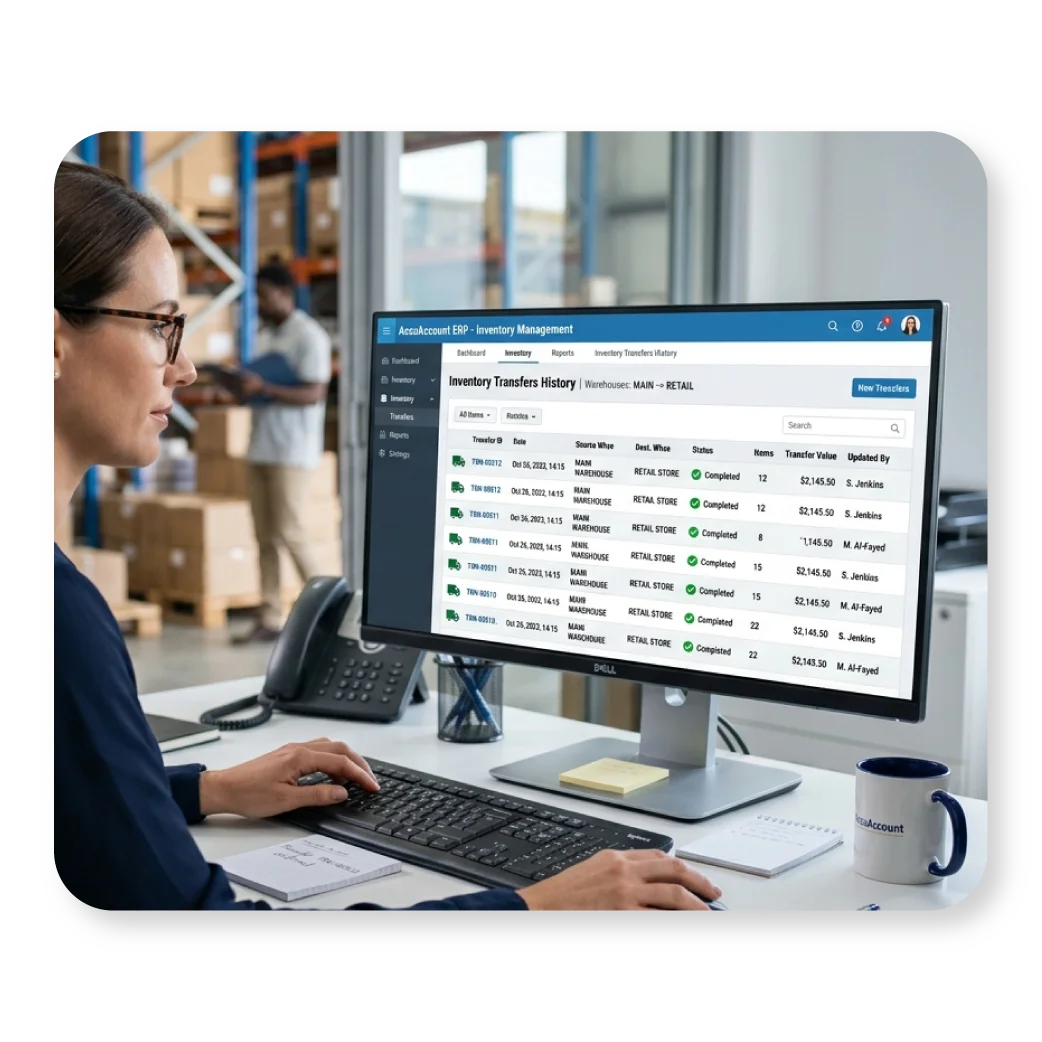
Companies with multiple subsidiaries frequently transfer inventory, services, or expenses between entities.
Examples include:
- Shared services
- Intercompany billing
- Inventory transfers
- Management fees
- Internal purchases
NetSuite automates these transactions while maintaining balanced accounting entries.
Benefits include:
- Reduced reconciliation
- Fewer manual journal entries
- Improved audit readiness
- Greater financial accuracy
Global Financial Reporting
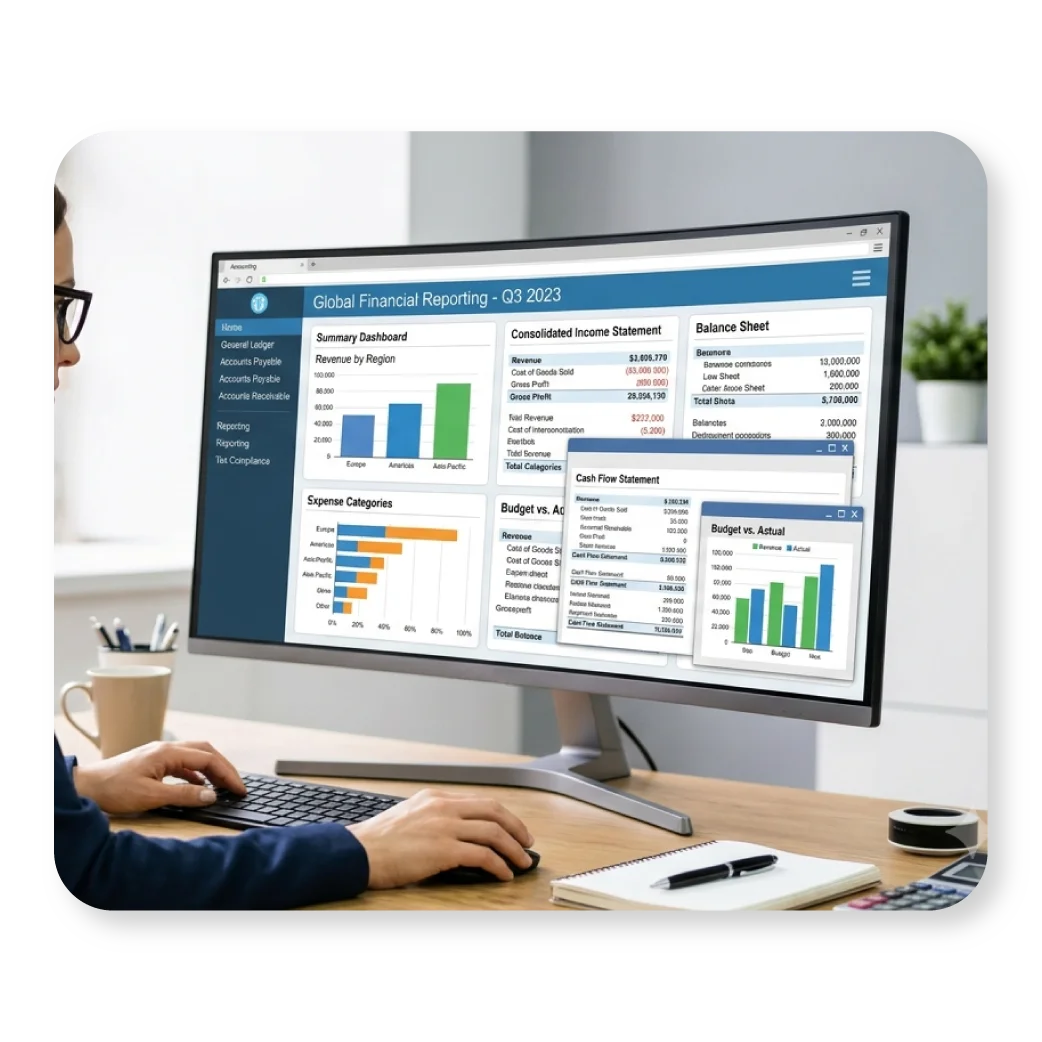
Executives need a complete picture of global operations.
NetSuite provides:
- Consolidated dashboards
- Profitability by subsidiary
- Revenue by country
- Expense analysis
- Real-time KPIs
- Executive reports
Decision-makers can view financial performance across all entities from a single dashboard.
Local Compliance with Global Visibility
Each subsidiary can comply with local accounting and tax regulations while the parent company receives standardized consolidated reporting.
This is especially useful for organizations operating across multiple jurisdictions.

Key Benefits of NetSuite Multi-Currency and Multi-Company Features
Businesses gain several operational advantages, including:
- Real-time financial visibility
- Automated currency conversion
- Reduced manual accounting
- Faster month-end closing
- Improved reporting accuracy
- Better cash flow management
- Simplified global expansion
- Automated financial consolidation
- Enhanced audit readiness
- Stronger internal controls
- Better executive decision-making
Industries That Benefit Most
NetSuite’s multi-currency and multi-company capabilities are ideal for:
- Manufacturing
- Wholesale Distribution
- Retail Chains
- E-commerce
- Professional Services
- Construction
- Logistics
- Healthcare
- Technology Companies
- International Trading Companies
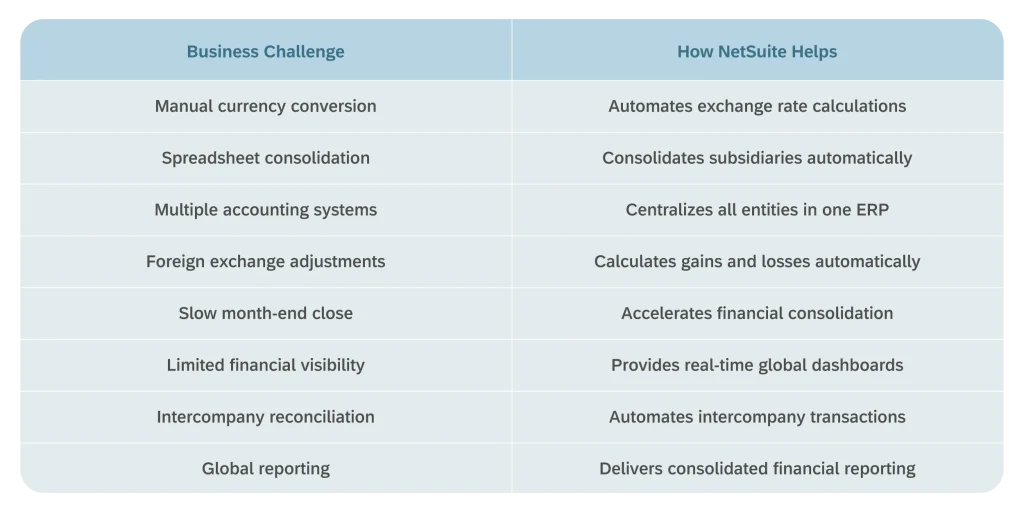
Common Challenges Solved by NetSuite
Best Practices for Managing Global Operations with NetSuite
To maximize the value of NetSuite in a multi-company and multi-currency environment:
- Establish a standardized chart of accounts across subsidiaries.
- Define clear intercompany transaction policies.
- Review and update exchange rate sources regularly.
- Configure approval workflows for cross-entity transactions.
- Use role-based dashboards for finance teams and executives.
- Schedule automated consolidation and financial reporting.
- Regularly reconcile intercompany balances before period-end.
- Work with an experienced NetSuite implementation partner to align configurations with your global business processes.
