
CAS Registration Requirements in the Philippines: The Ultimate Guide for SMEs
Digital transformation has changed how Philippine businesses manage accounting. From cloud-based software to full ERP systems, companies are moving away from manual books and embracing automation.
But here is the big question:
Is your accounting system registered with the BIR under CAS?
Understanding CAS registration and complying is no longer just a concern for large corporations. It now affects SMEs, startups, and growing enterprises that use computerized systems for their accounting and tax reporting.
In this practical guide, we will break down:
- Who needs to register under BIR CAS mandatory registration
- How to register for BIR CAS under the updated rules
- CAS registration guidelines for Philippine businesses
- Common mistakes to avoid
- How to future-proof your accounting system
If you are in finance, accounting, or a business owner, this guide is for you.

What Is BIR CAS?
A Computerized Accounting System (CAS) is any system that records, processes, and generates accounting records electronically. This includes accounting software, ERP systems, POS-integrated systems, and customized financial platforms.
In the Philippines, the Bureau of Internal Revenue (BIR) requires certain taxpayers to register their CAS to ensure that digital accounting systems meet government standards for transparency and audit reliability.
In simple terms, if your business is using software (i.e NetSuite or Microsoft Business Central), instead of manual books to record sales, purchases, expenses, or financial statements, your system may fall under CAS regulations.
Why does CAS registration matter?
BIR requires CAS registration to protect both the government and businesses by ensuring:
- Accuracy of records – Transactions are recorded consistently and correctly.
- Data integrity – Financial data cannot be altered without proper tracking.
- Proper audit trails – Every entry has a traceable history, including user activity and system changes.
- Compliance with tax laws – Reports generated follow BIR-prescribed formats and standards.
Without CAS registration, even the most advanced accounting software can become a compliance risk. During a BIR audit, unregistered or non-compliant systems may lead to penalties, disallowed expenses, or additional documentation requirements.

Businesses Required to Register with CAS: Is SME Included?

A common misconception is that CAS registration is only for huge corporations. That is not accurate.
It is true that under Revenue Regulations No. 9-2009, Large Taxpayers are required to maintain and register a CAS. However, CAS registration guidelines now impact many SMEs as well, especially those that generate computerized books of accounts such as:
- General Ledger
- Sales Journal
- Purchase Journal
- Trial Balance
- Financial Statements
Even if you are not yet a Large Taxpayer, you may still need CAS registration if:
- You are VAT-registered and exceed ₱3,000,000.00 in annual revenue
- You use accounting software to generate official books
- You issue invoices electronically
- You operate multiple branches
- You use ERP systems for reporting
If you are scaling and aiming to grow, it is wise to consider adopting a BIR CAS-ready accounting software early. Transitioning later can be more complicated once you are formally classified as a Large Taxpayer.
How to Register for BIR CAS: Understanding the Updated Rules
One of the biggest concerns SMEs have is complexity. Many assume the process is long and technical. The good news is that Revenue Memorandum Circular No. 5-2021 significantly simplified the process.
Under Revenue Memorandum Circular No. 5-2021:
- A Permit to Use (PTU) is no longer required
- BIR Form 1900 is no longer mandatory
- System demonstration before implementation is no longer required
- An Acknowledgment Certificate is issued within three working days once complete documents are submitted
This means businesses now register their system through documentary submission rather than waiting for system demonstrations or lengthy approvals.
However, documentation must still be complete and accurate.
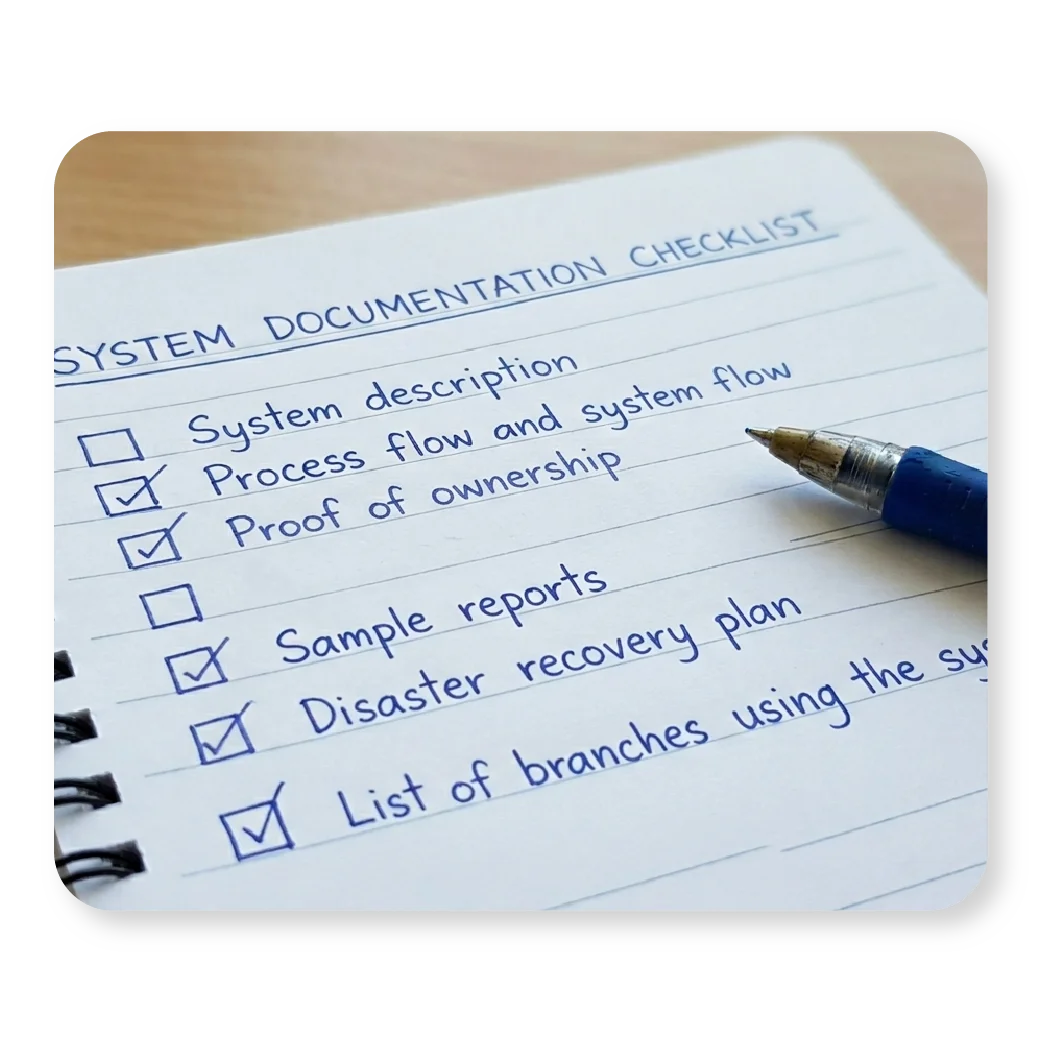
You will still need:
- System description
- Process flow and system flow
- Proof of ownership
- Sample reports
- Disaster recovery plan
- List of branches using the system
CAS Registration Guidelines: What Your System Must Have
Not all accounting systems are automatically compliant. Even if your software is widely used or cloud-based, it does not mean it meets the requirements for CAS registration. Many popular systems still require local configuration or additional modules to align with Philippine tax regulations.
To pass CAS registration, your system must include the core components and functionalities outlined in BIR regulations. A compliant CAS must be able to:
- Record all transactions in real time
- Generate official accounting books
- Produce BIR-required reports and forms
- Maintain an audit trail
- Store and retrieve historical data
Required Reports Under BIR CAS Mandatory Registration
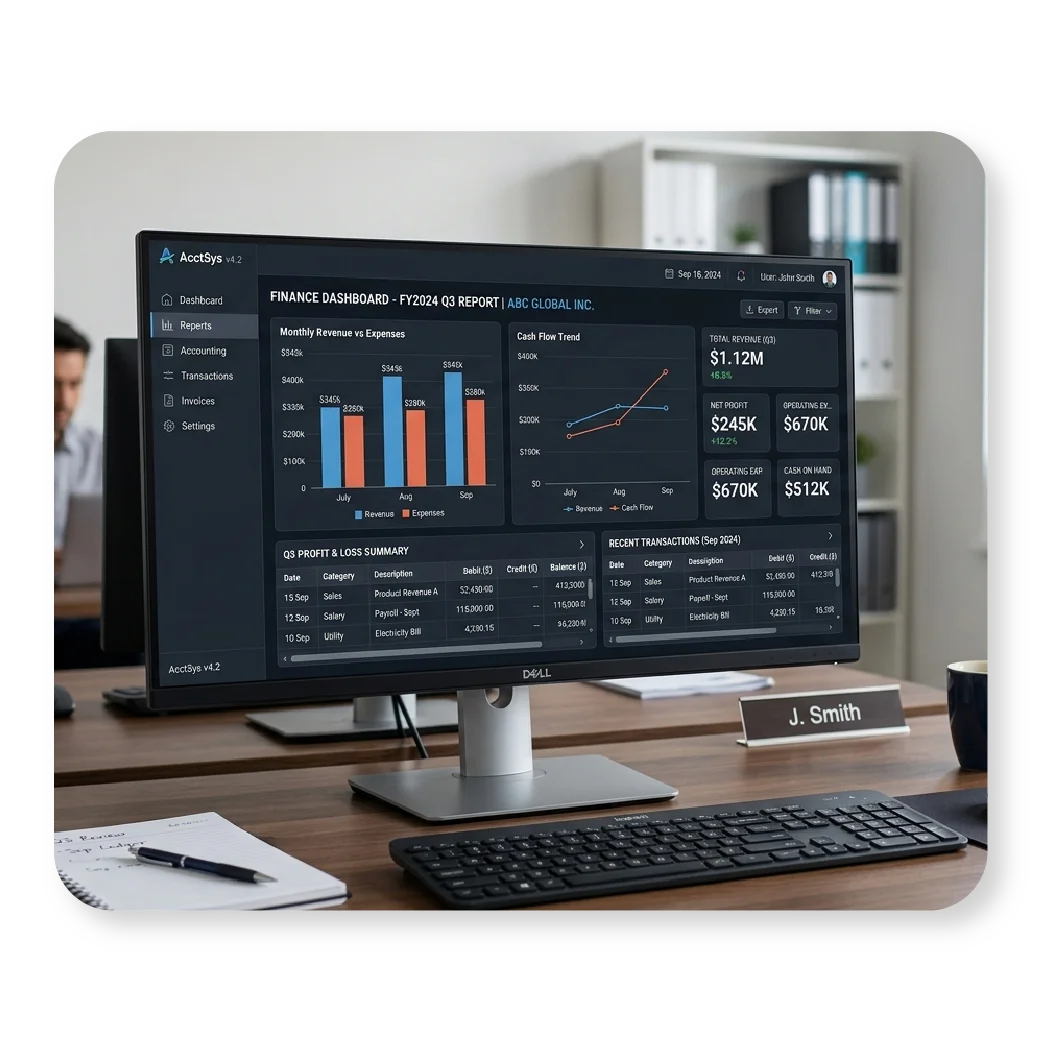
System selection matters a lot, especially because not all accounting software available in the market can generate the following required financial reports and tax-related documents:

Core Financial Reports
- General Ledger
- Sales Journal
- Purchase Journal
- Trial Balance
- Statement of Financial Position
- Statement of Comprehensive Income
Mandatory BIR Reports
- Summary List of Sales
- Summary List of Purchases
- Semestral List of Regular Suppliers
- BIR Forms 2550M, 2550Q
- BIR Forms 1601-EQ, 0619-E, 1604-E, and 2307


Required Data Files
- RELIEF Sales Data File
- RELIEF Purchases Data File
- QAP Data File
- SAWT Data File
- Annual Withholding Tax Data File
Is CAS Registration a One-Time Requirement?
Many business owners also assume that once their CAS is registered with the BIR, the process is done for good. This is not the case. CAS registration is dynamic and depends on how your accounting system evolves with your business.
If you make major changes to your CAS, you may need to reapply for registration. Examples include:
- Upgrading to a new accounting software or ERP system
- Adding new modules, such as inventory management, payroll, or advanced reporting
- Changing core financial functionalities that impact how transactions are recorded or reported
Under RMC 5-2021 Section 6, the BIR specifies:
-
Major changes: Require full re-registration with supporting documentation and approval from your Revenue District Office (RDO).
-
Minor changes: Only a written notice to your RDO is required, such as small software updates, bug fixes, or cosmetic changes that do not affect financial outputs.
As a practical tip, you should maintain a change log for your CAS as it is not a “set-and-forget” requirement. Record all software upgrades, module additions, and significant configuration changes. Treat it as a living compliance process that evolves with your business
Key Benefits of CAS Registration for SMEs
For many small and medium enterprises, compliance can feel like a tedious task that takes time away from growing the business. But registering your Computerized Accounting System with the BIR offers tangible advantages beyond simply staying on the right side of the law.
1. E-Invoice Readiness
CAS registration is a prerequisite for electronic invoicing compliance. As the Philippines moves toward digital tax reporting, this becomes increasingly important.
2. Centralized Financial Data
A registered CAS centralizes financial information in a structured format, making audits and report generation easier. It results to:
- Quicker access to financial statements and subsidiary ledgers
- Simplified management for multiple branches or departments
3. Stronger Audit
A properly registered CAS includes audit trail functionality and standardized reporting. Which means every transaction has a traceable history of who entered or modified it
4. Extended Deadlines
CAS-registered businesses are granted 30 days to submit certain reports instead of 15. This extension provides more breathing room for SMEs to review and verify reports before submission.
By reducing the pressure of tight deadlines, it minimizes rushed entries, mistakes, and late filing penalties.
5. Improved Efficiency
A CAS automates many of the repetitive and error-prone tasks in accounting, such as:
- Calculating taxes and generating journal entries
- Recording transactions in real time
- Consolidating multiple ledgers into one report
Automation reduces manual errors, improves the accuracy of financial records, and frees up your accounting team to focus on analysis and strategy rather than repetitive data entry.
Choosing a BIR-Ready System: Avoiding Costly Mistakes
Implementing ERP systems without proper BIR alignment can lead to serious issues that impact both operations and compliance. It’s not just smaller or local systems. Popular global platforms such as Microsoft Business 365 Central, NetSuite, Odoo, Xero, QuickBooks Online, and SAP also require careful configuration to meet Philippine CAS requirements, improper setup can result in:
- Incorrect tax mapping, causing miscalculated taxes or reporting errors
- Missing required reports, leaving you unable to meet BIR filing standards
- Registration rejection, delaying your CAS approval and risking penalties
Using unregistered or misconfigured software for official books can lead to:
- Disallowed expenses, reducing your taxable deductions
- Audit penalties, creating additional costs and administrative headaches
- Reprocessing of records, wasting time and resources to correct errors
Even highly experienced finance teams can be caught off-guard if CAS compliance isn’t part of the ERP strategy from the start. This is where working with experienced implementation partners makes a difference.
Mustard Seed Systems Corporation helps Philippine businesses integrate CAS compliance directly into their ERP setup including NetSuite and Business Central. They bring a combination of technical knowledge, local regulatory understanding, and practical ERP experience to ensure that your CAS registration process is smooth, accurate, and aligned with BIR requirements. Key areas of their implementation expertise include:

Report Customization and Alignment
Mustard Seed ensures that all your reports including financial statements, summary lists, and BIR forms are formatted according to official BIR standards. This means fewer revisions, faster approvals, and audit-ready reporting.
Documentation and Registration Support
They assist businesses in preparing complete CAS registration documentation, from sample reports to system descriptions, and guide submissions to the relevant Revenue District Office (RDO).


System Upgrades and Re-Registration Guidance
When your business grows or modules are added, Mustard Seed helps you navigate re-registration or minor system enhancements. This ensures your ERP system remains fully compliant throughout your growth journey.
Industry Best Practices and Advisory
Beyond technical setup, Mustard Seed provides strategic advice on how to structure financial workflows, implement audit trails, and maintain data integrity. SMEs benefit from their insights into local tax regulations and ERP optimization.

Final Thoughts: Start Early, Stay Compliant, Grow Confidently
Compliance may not be the most exciting part of running a business, but it is one of the most crucial. CAS registration for Philippine businesses exists to ensure transparency, accountability, and audit integrity—foundations that protect your company and build trust with stakeholders.
If your business uses computerized accounting systems, generates official ledgers, or issues electronic invoices, waiting until an audit notice arrives can be costly and stressful. Start early. Choose the right system. Configure it properly. Register it correctly. These steps are not just formalities—they are strategic moves that safeguard your operations and prepare your business for growth.
For SMEs and growing enterprises, it is an investment in a scalable, audit-ready, and future-proof financial system. Done correctly, it transforms a regulatory obligation into a competitive advantage, giving you confidence to grow and innovate without worrying about penalties or operational disruptions.
